

This is Rakmun. We see her snow decorated face and forest robe. She’s been around since before the first mouse-like primates climbed into the trees.
I asked her why trees won’t talk to me about humans.
”Trees are the most noble forms of life. They capture the energy of the sun and give it to the earth, as soil, pure air, nourishment and beauty. Let us not forget the beauty.
”I will present you with three riddles,” continued Rakmun. ”This first one will test your background. The second will test your worthiness. The third will test your ability. If you can answer all three riddles, I will tell you why the trees won’t talk to you about humanity.
”Here is the first riddle (a classic) to be answered tomorrow:
What walks on four legs in the morning, two legs during the day, and three legs in the evening?”
“A fool can ask more questions than a wise person can answer.”
Dartwill Aquila
(Tomorrow: Mount Rakmun’s Second Riddle)

I’ve been talking to trees for years. They teach me about life. When I asked about humans a while ago, the tree I was talking to shut down. I’ve tried several other trees since then. It’s like throwing an off switch. They go silent.
Two weeks ago I met a lark tree in Switzerland.
”We don’t talk to humans about humans. No tree will do this,” it said.
”Why?” I asked.
”Perhaps Mount Rakmun will talk to you,” said the lark, told me where I could find her and went silent.
“”What do you call that tree?” asked the foreigner.
“Beautiful,” answered the native in the local tongue.
The foreigner nodded. The native smiled.”
Dartwill Aquila
(Tomorrow: The Riddles of Mount Rakmun)
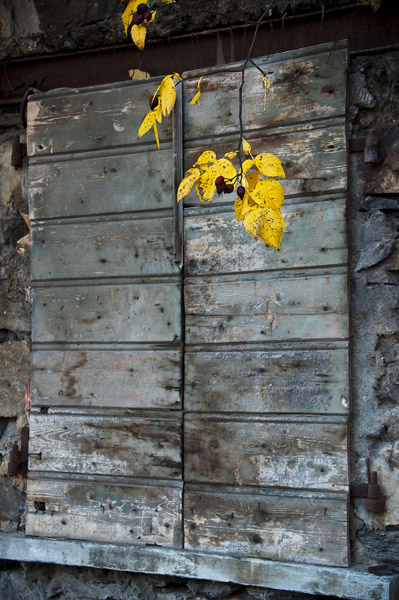
Secrets live in our hearts.
We keep them from ourselves.
We pretend they are not there.
We pretend we don’t know about them.
We dare not recognize them.
They are too pure to touch,
too innocent to deny.
They know of our loneliness
and whisper a truth
we lack the courage to embrace.
(Tomorrow: Conversation with a Lark)
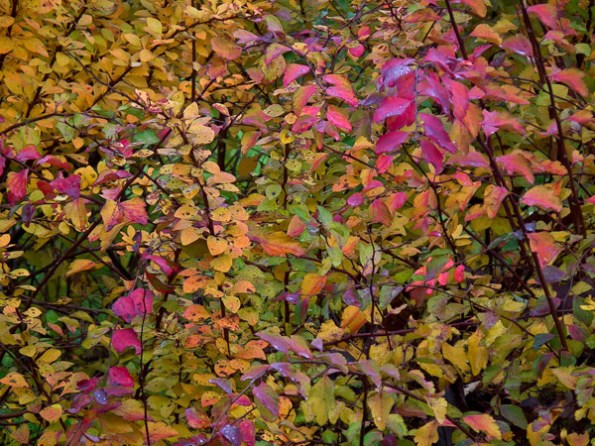
We are a part of the earth.
A little part
walking on the surface
for a little while
as a form of life.
The air of the earth flows through us.
It powers us.
The water of the earth flows through us.
And powers us.
We use the plants and animals of the earth
to nourish us.
Are we worthy the form of life,
the greatest of all the gifts of the earth?
Are we worthy the priviledge to walk in the light?
How do we treat the air
we breath so effortlessly?
How do we treat the water
so sweet to drink?
How do we treat the animals, the plants, the soil
and the treasures of the mountains?
How do we treat each other?
Are we worthy to walk in the light and breath the air?
Why are we provoking Nature to consider our extinction?
What shall we earth things do to ease her mind?
“Compliments, complaints, promises and excuses have no effect on nature.
She acts on results.”
Dartwill Aquila
(Tomorrow: Secrets of the Heart)
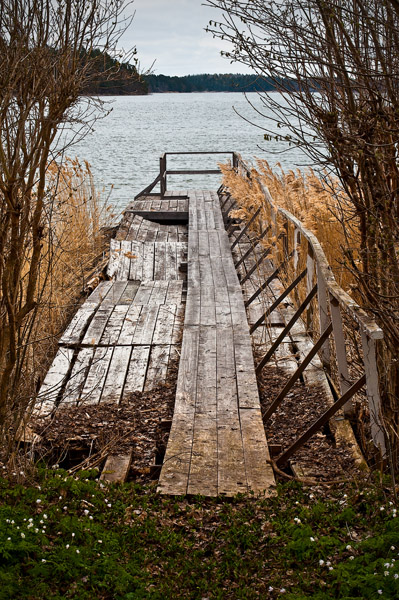
We can live 3 minutes without air, about 3 days without water and 3 weeks without food. How long can we survive without love?
Because love is not a measurable substance, we can’t set a number on love’s value. We do have evidence that people living together survive longer than people living alone. Years longer.
What’s a year of life worth? A year with love.
Newspapers and TV news programs contain financial sections. But no love section. Why is the state of money more important than the state of love?
Is love increasing or decreasing in the world?
That fact that many people must think about that question tells us a lot about the state of love; a state in which more and more people are living alone and living in conflict. More and more people are in a state without love.
Global warming seems to run parallel with emotional cooling. How long can we survive with too little love and too much warmth?
How sustainable is a state without love?
“The dictates of money are in conflict with the needs of love.
People want love, love needs people.”
Dartwill Aquila
(Tomorrow: Earthlings, Earth Things)
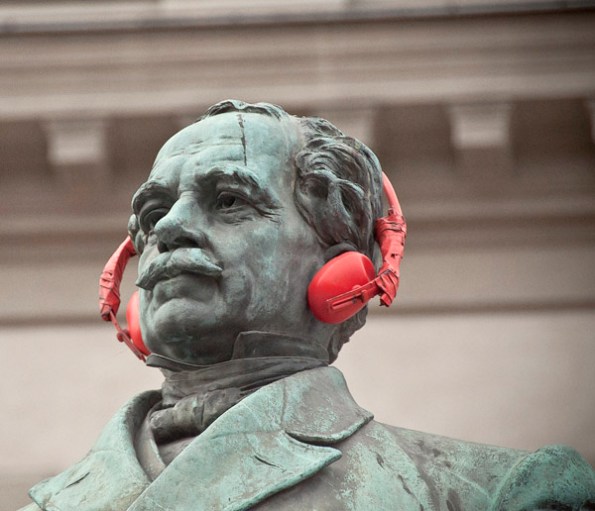
We have been taught that literacy equals intelligence. This supposed, nearly incontestable, truth forms a pillar of conventional wisdom. It’s bullshit! Argentinosaurus shit!
The literacy=intelligence myth is promoted by the literate. The illiterate have no say in the matter and can obviously not publish any opinions contesting this nonsense.
The illiterate do however have a voice that can be translated into print. Examples of this have displayed both sharp and powerful intellects. The opposite is also true and easily documented; well written absurdities from halfwits, dimwits and nitwits.
The book All God’s Dangers (1974) records the life of Ned Cobb, an uneducated and illiterate black farmer. Although Ned speaks a non-standard dialect, his intelligence shines. His memory proves so accurate, that his figures were used to fill in missing records in official documents. A linguist discovered that Ned had a vocabulary far in excess of most journalists. Here is how Ned answered the question of our free will contra God’s will (I’m quoting from memory):
”God gives me the earth and supplies rain and sun, but he don’t plow the land, weed the crops or harvest.”
Another example comes from the the slums of NYC. Professor William Labov compared the logic of a young school drop-out in Harlem with that of a college educated man.
Confronted with the question about God’s existence and the possibility of his being black, the drop-out used heavy slang and sharp logic to state an emphatic No. The academic man spoke eloquently, said almost nothing and never answered the question.
Are examples of strong intelligence in illiterate and ”poor-languaged” individuals unusual? Yes. But only in documented form. In real life smarts can be found on the streets and stupids can sit in boardrooms.
“Intelligence has its limits, but not stupidity.”
Dartwill Aquila
(Tomorrow: The State Without Love)
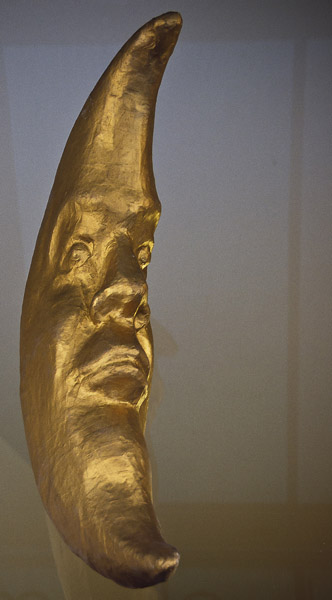
Every generation contains a puddle of pundits complaining about the degeneration of language. The ancient Greeks did it, the Chinese do it and even Egyptian geeks do it. Let’s do it, let’s complain that people do not maintain the standards that prevailed when we were young.
Language changes. New words are born, old ones die, some change meaning. ”Nice” for example started out meaning ignorant and clumsy. ”Lady” first meant bread-maker.
Pronunciation changes, spelling changes, even grammar changes.
Chaucer’s English (1300s) is a foreign language for today’s English speakers, as is the language of the Franks for the French and that of the Vikings for Scandinavians.
Today’s language is vibrant, diverse and chaotic. Different styles are employed by different groups, but everyone can communicate with anyone.
Language travels in context. Homies don’t talk like editors and professors don’t talk like hos. Generally.
What do we want to say to who? How do we say it?
Language reflects the condition of society in general and the quality of a culture specifically. The way in which a society spreads information among its members determines the strength of the society and the health of its language.
Determine the state of a society and know the state of its language.
“Shakespeare never read Shakespeare, but he wrote pretty good plays anyway.”
Dartwill Aquila
(Tomorrow: The Great Myth of Language and Intelligence)
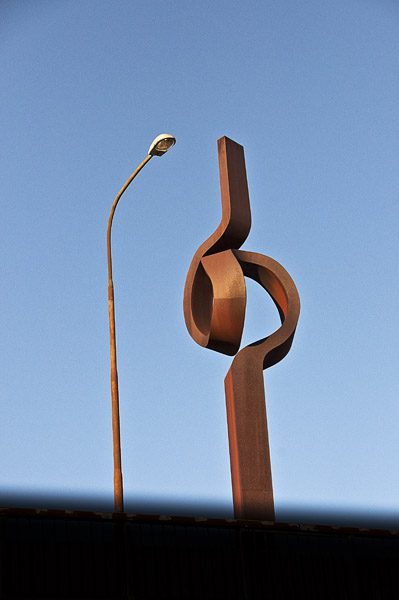
This picture is an optical illusion. We can imagine that the two objects are having a conversation, but the lamppost is in the foreground and only appears to be as tall as the sculpture quite a distance away in the background. The lamppost isn’t tall enough to reach the twisted center of the sculpture.
We’re all twisted and bent in our own ways. We all have different perspectives. But we’re living beings, not inanimate objects. If we don’t learn to work together despite our differences, we will perish together as one.
“If humanity continues to value things more than people,
the future will make humanity a thing of the past.”
Dartwill Aquila
(Tomorrow: The State of Language)

Decades of talks and conferences about climate change and promises to reduce the quantity of harmful gases released into the air have produced less than zero results. More gases are being poured into the environment than ever before, and the rate of contamination is increasing … as are the amount of deaths caused by extreme weather and by sicknesses due to environmental factors.
The rate of awareness that world rulers (major corporation owners, the 1%) cannot solve the problem is also increasing.
It’s up to us. We can do it. We can make the earth a garden of peace and prosperity. We have no choice.
WTD1
Drink tap water. Processed water (soft drinks, bottled water, etc.) is a major environment contaminator and a major source of income for the 1%. See Kate’s Water
WTD2
Do not buy corporate publications. They are channels of information management to promote the views of the 1% while increasing their wealth.
There are 1000s of WTDs. More will appear regularly
“Doing what you can is enough to do
what all of us needs to get done.”
Dartwill Aquila
(Tomorrow: The Twisted & The Bent)
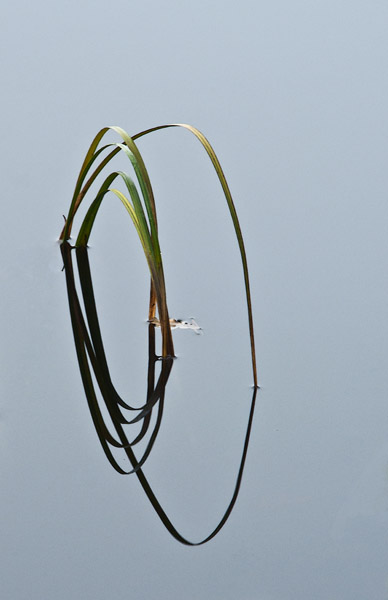
Loves unites.
The initial love affair, the falling in love period, unities the power of biological passions. Half the cells of the body sing, the other half dance and a third half float on sunbeams. (Don’t question the math of lovers.)
Biochemistry produces a drug bombarding receptors stimulating pleasurable responses. We’re happy, positive, strong, satisfied and insatiable. And immortal (temporarily). Although the body continues to produce this drug the receptors tire. They wear down and lose the strength to react. Honeymoon’s over.
Don’t panic. The body adapts. It shouts, “OK, stop production of the uppers, start downer production.”
At this point we go from the high of passion to the mellow of love. The falling in love chemistry produces an amphetamine class drug and then (to survive) it shifts to a morphine-based substance. This will protect us from the slings and arrows of outrageous daily life. In other words we go from stimulants to comforters.
That’s the biochemistry of love working to keep us united.
I’ll give you all my passion
tenderness, attention, patience
generousity, consideration, humor
and respect
as long as the infatuation lasts.
After that
you’ll have to make do with my love.
Dartwill Aquila
(Tomorrow: The Hand of Our Times (WTD1-2))

 System Humanity